Product Designer at Codefi
Sept 2025 - Now | Full - Time
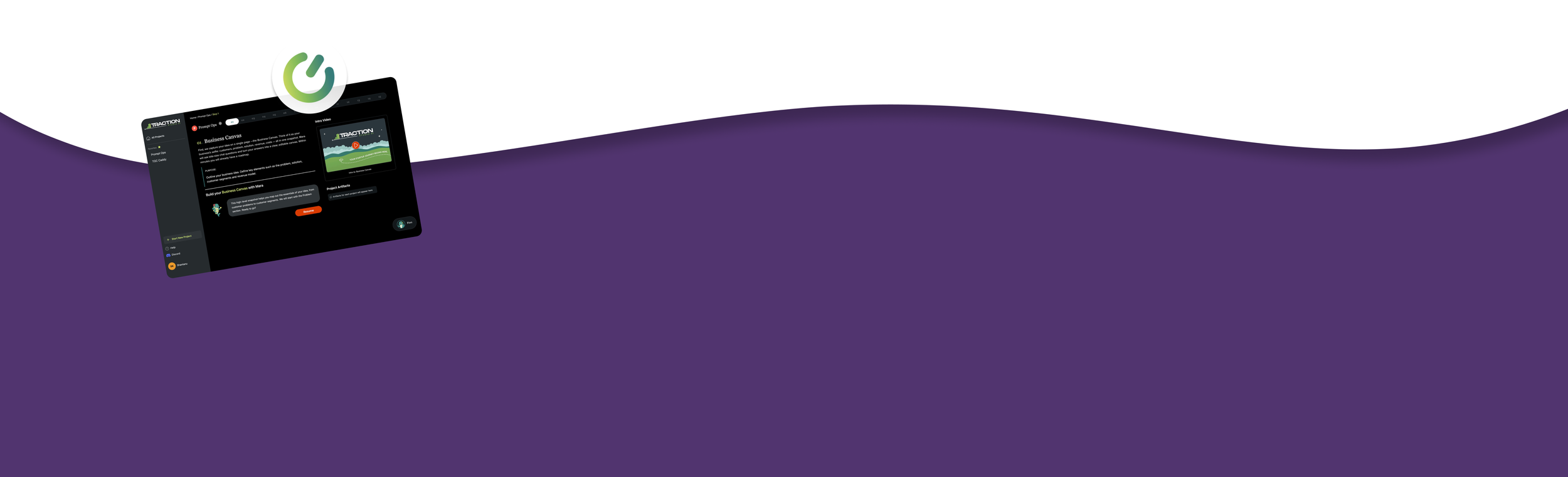
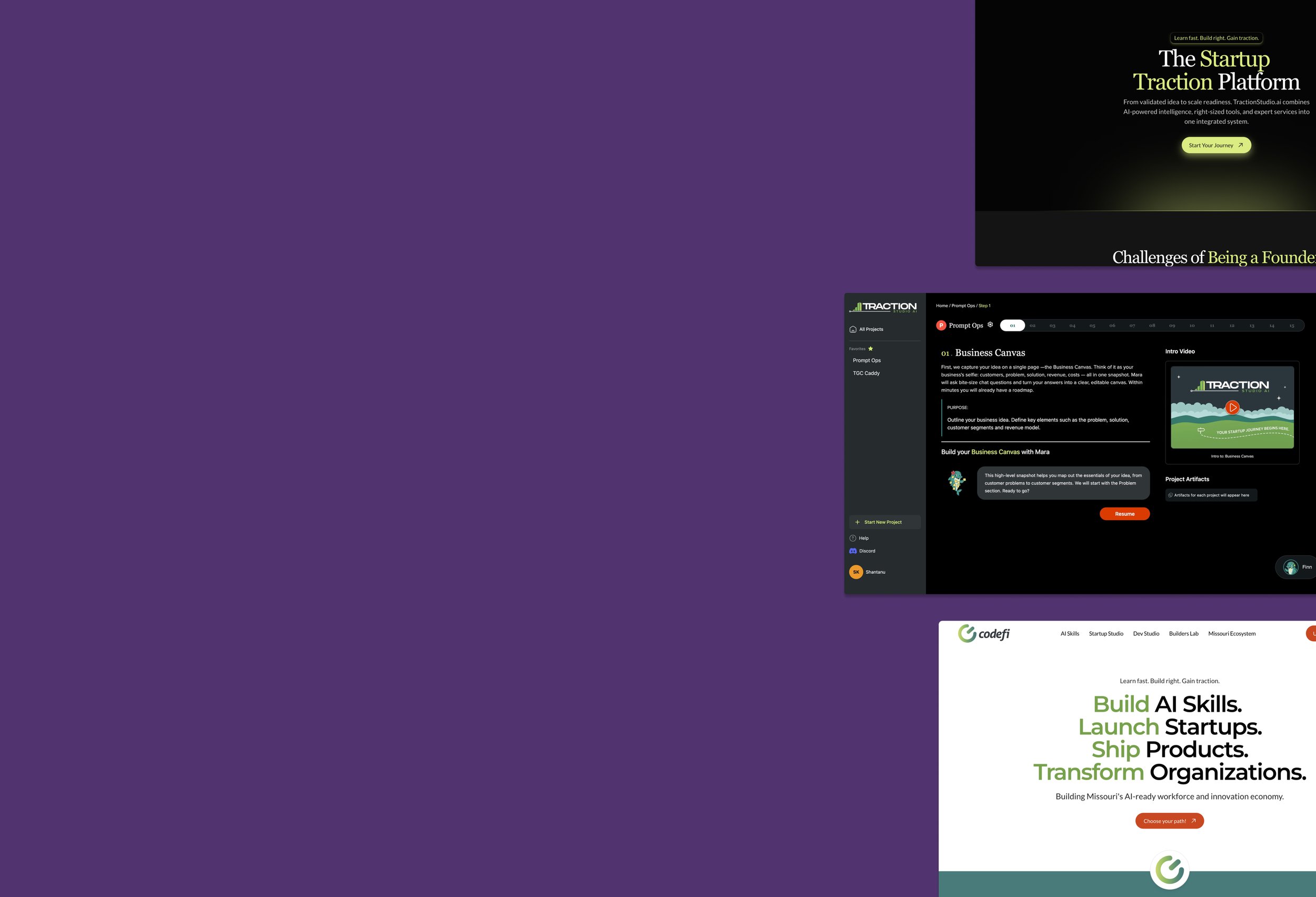
At Codefi, I lead product design for Traction Studio AI, an AI-powered startup validation platform evolving from pre-alpha to open beta and preparing for GA launch.
In a lean, high-collaboration environment, I operate in a 0→1 product space, shaping complex workflows, defining AI interaction standards, and aligning user experience with monetization and growth strategy.
Snapshot of Contributions
Re-architected onboarding and monetization flows to introduce value-first paywall placement (“try before you buy”).
Designed AI-native interaction patterns, including contextual awareness indicators and transparency messaging for hallucination mitigation.
Led Phase 2 feature design from concept through engineering handoff in a 4-person dev team environment.
Established scalable dashboard architecture to support phased product expansion (Wave 2, Wave 3, Founder dashboards).
Implemented structured event tracking to enable data-informed iteration across activation and monetization flows.
Read More in Detail below

Collaborating on Product Design with Cross-Functional Partners
Discovery & Problem Framing
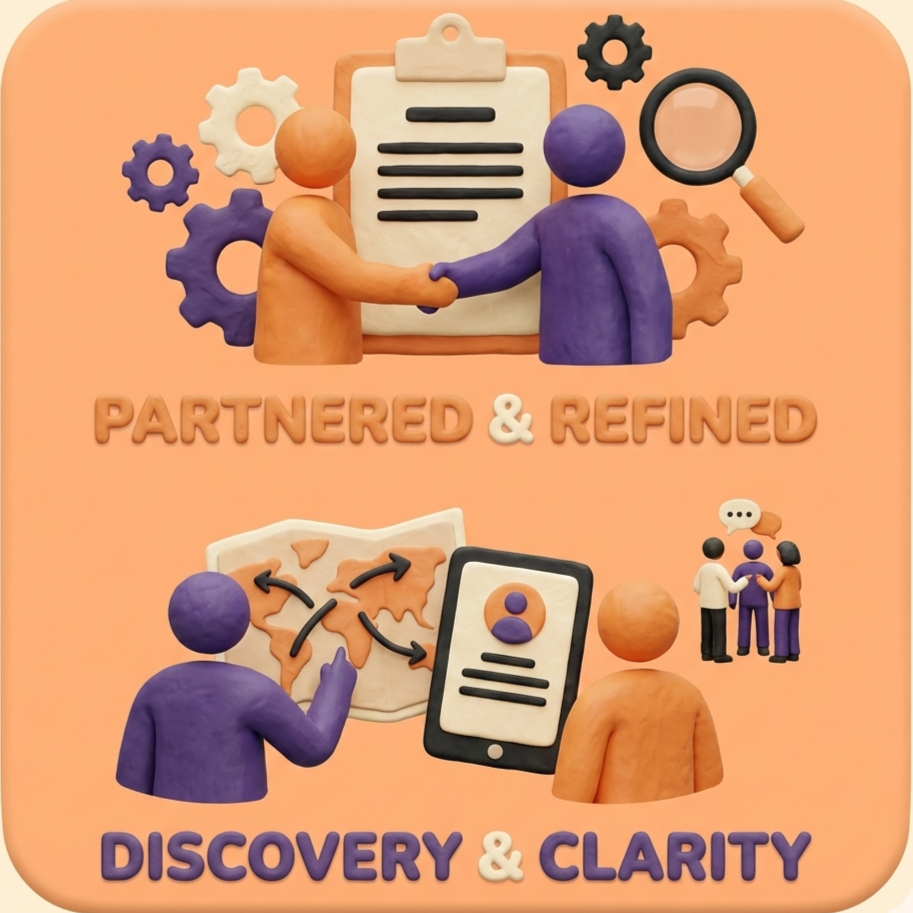
Partnered closely with Product Owner to review baseline specifications, challenge assumptions, and refine feature scope prior to design.
Conducted lightweight discovery through workflow mapping, usability observation in beta, and stakeholder discussions to clarify user intent and friction points.
Design & Delivery
Translated requirements into user journeys, wireframes, and high-fidelity prototypes in Figma.
Maintained tight iteration loops with a 4-person engineering team through sprint reviews and structured handoff documentation.
Operate approximately one sprint ahead of development to reduce ambiguity and accelerate delivery velocity.
What collaboration looks like at Codefi
Standup Meetings
•
One On Ones
•
Design Collaborations
•
Cross Department Meetings
•
Design Reviews
•
Vibeathon Events
•
Team Lunches
•
Slack Texts and Huddles
•
Standup Meetings • One On Ones • Design Collaborations • Cross Department Meetings • Design Reviews • Vibeathon Events • Team Lunches • Slack Texts and Huddles •
Shipping Improvements Fast (an example)
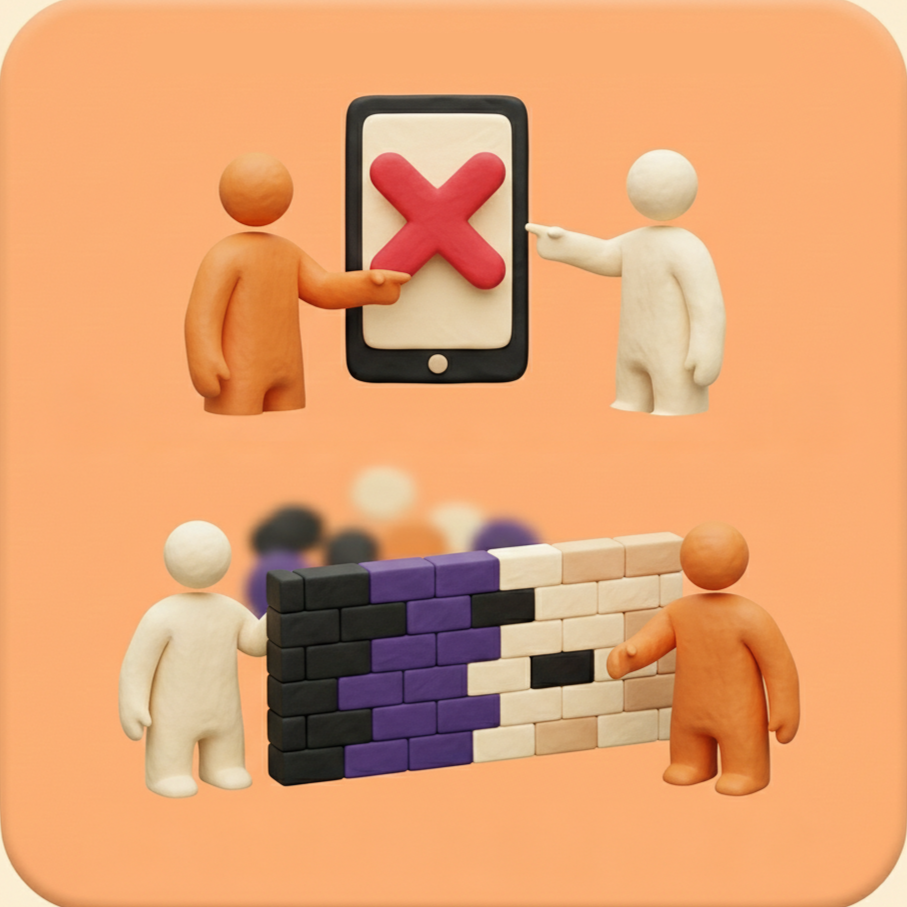
Problem: Initial onboarding bypassed email verification logic and surfaced friction early. The paywall was planned to appear before users experienced meaningful product value, increasing hesitation and confusion.
Users: Early-stage founders validating startup ideas through a guided 15-step workflow.
Constraints
Pre-alpha environment
Limited baseline data
Need to balance revenue with user trust
Lean engineering capacity
What I shipped
Re-structured verification flow to eliminate activation errors
Moved paywall to trigger after successful completion of Step 1 (delivering a business model canvas)
Designed a sample project preview to give clearer product expectations
Simplified onboarding hierarchy to reduce cognitive load
Impact: Improved clarity of activation path, aligned monetization with delivered value, and created a stronger trust-first experience ahead of GA launch.
Creating Repeatability (Systems Thinking)
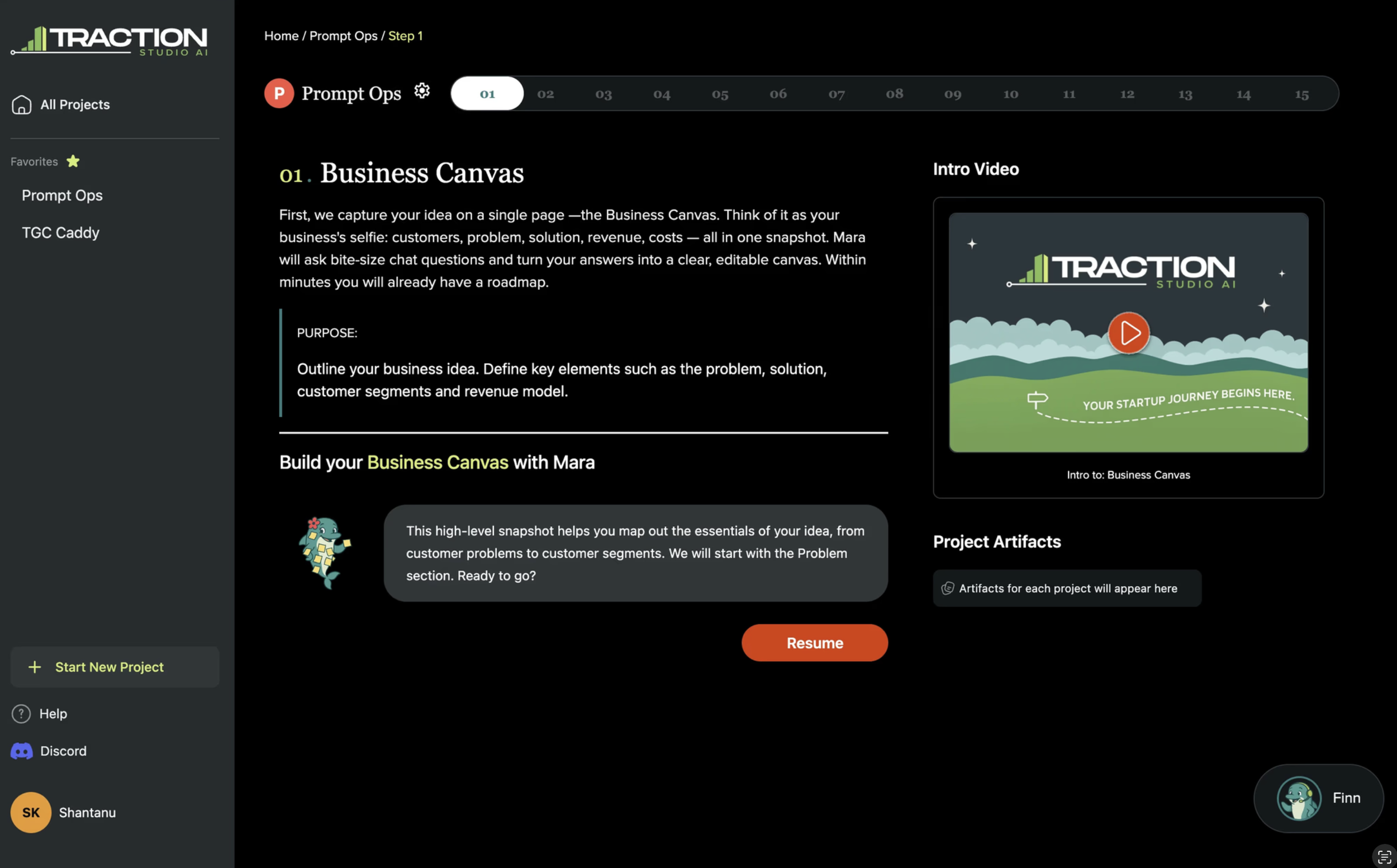
Established reusable AI interaction patterns (context visibility, structured prompts, transparency messaging) to standardize trust signals across the platform.
Introduced scalable dashboard layout patterns anticipating multi-phase product expansion.
Documented UX patterns and edge cases to reduce ambiguity in future feature development.
Implemented structured event instrumentation to create feedback loops for future iteration.
What’s next?
Scaling Toward GA & SaaS Evolution
As Traction Studio AI moves toward General Availability, the focus is on refining activation, strengthening AI trust patterns, and preparing for a transition from a one-time project model to a more scalable SaaS structure. I will continue collaborating with Product and Engineering to balance speed with thoughtful iteration, ensuring monetization and user experience evolve in tandem.
Maturing AI Interaction Standards
With Phase 2 (Wave 2) underway and Phase 3 planning beginning, I aim to further standardize AI interaction patterns, expanding contextual awareness systems, improving transparency cues, and documenting repeatable UX guidelines for future AI features.
As the platform grows in complexity, I’m working toward more formalized component architecture and reusable dashboard patterns to reduce design/dev thrash and support faster feature expansion across upcoming waves.